Posted On: February 19, 2026
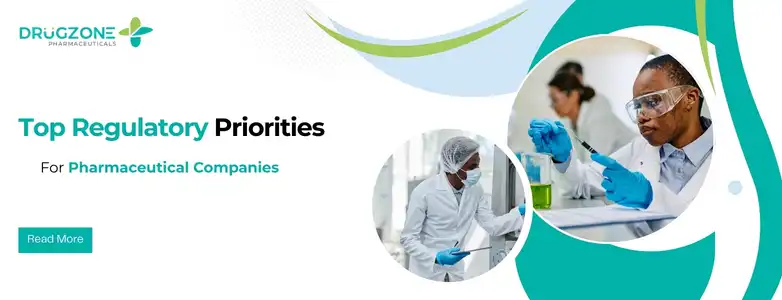
Top Regulatory Priorities for Pharmaceutical Companies in the USA
The pharmaceutical industry in the United States is experiencing significant regulatory changes in 2025. Companies across the supply chain are facing new requirements, stricter enforcement, and shifting priorities from federal agencies. Understanding these regulatory priorities is essential for maintaining compliance and continuing to serve patients effectively.
Key Regulatory Priorities for 2025
Domestic Manufacturing and Supply Chain Security
One of the most significant regulatory priorities is strengthening domestic pharmaceutical manufacturing. The FDA has launched several programs aimed at reducing reliance on foreign sources for active pharmaceutical ingredients. Currently, only about 10% of APIs used in U.S. prescription drugs are produced domestically.
The FDA's PreCheck program provides manufacturers with streamlined communication during facility development. This initiative aims to reduce the years it takes to build pharmaceutical manufacturing facilities in the United States. Companies investing in domestic production benefit from faster approval processes and regulatory support.
Drug Supply Chain Security Act Enforcement
The DSCSA remains a critical compliance priority for wholesale drug distributors. The August 27, 2025 deadline for electronic tracing systems has passed, and the FDA is actively enforcing these requirements.
Companies must track prescription drugs at the package level through interoperable electronic systems. This includes electronic exchange of transaction data, verification of product identifiers, detection protocols for suspect products, and comprehensive record-keeping.
Enforcement means real consequences for non-compliance, including fines, license suspensions, and criminal charges. Pharmacy distributors that cannot demonstrate compliance risk being excluded from the supply chain.
Transparency and Public Disclosure
The FDA has adopted a transparency approach by publishing Complete Response Letters in real time. These letters detail why the agency rejected drug applications. This gives competitors and investors visibility into regulatory decisions.
Companies should expect increased scrutiny of their applications. The publication of CRLs means competitors can learn from regulatory feedback and adjust their strategies accordingly.
Accelerated Review Programs
The FDA has introduced several programs to speed up drug approvals. The Commissioner's National Priority Voucher program shortens review times from 10-12 months to 1-2 months for companies aligned with national priorities, including domestic manufacturing.
The agency has also launched an ANDA prioritization pilot for generic manufacturers. Companies that conduct testing in the U.S. and source APIs from domestic suppliers qualify for faster reviews.
For ultra-rare diseases, the FDA has shown more flexibility in trial design, accepting smaller trials when randomized controlled trials are not feasible.
Advertising and Promotion Enforcement
The FDA has renewed its enforcement focus on prescription drug promotion. In September 2025, the agency issued 48 enforcement letters in a single sweep targeting deceptive advertising.
Companies must ensure promotional materials are truthful and balanced. The FDA focuses on claims that overstate benefits, off-label promotion, social media campaigns, and direct-to-consumer advertising accuracy. Medical, legal, and regulatory teams should thoroughly review all marketing materials before publication.
Post-Market Surveillance and Real-World Evidence
The FDA is expanding requirements for post-market surveillance to ensure continued drug safety. Companies should prepare for increased requirements for real-world evidence, stricter reporting obligations for adverse events, and enhanced digital monitoring tools.
This shift reflects the agency's recognition that clinical trial data may not capture all safety signals. Companies need robust pharmacovigilance systems to detect, investigate, and report safety issues promptly.
Quality Management and Manufacturing Standards
The FDA continues to focus on manufacturing quality and Good Manufacturing Practices compliance. Recent initiatives include incentives for continuous manufacturing and updated GMP regulations for cell and gene therapy products.
Foreign facilities face heightened enforcement with increased fees and public disclosure of inspection numbers. Domestic facilities benefit from PreCheck but face more frequent unannounced inspections. Companies must maintain inspection-ready facilities at all times.
Adapting to Regulatory Change
These regulatory priorities reflect broader goals of strengthening domestic pharmaceutical capacity and ensuring drug safety. Companies that proactively adapt will be better positioned for success.
Successful compliance requires investment in technology, staff training, and quality systems. Companies should monitor regulatory developments and implement necessary changes quickly. Building relationships with the FDA and taking advantage of accelerated review pathways can provide competitive advantages for pharmacy distributors and manufacturers alike.
Drugzone Pharmaceuticals Inc. exemplifies how companies can successfully navigate this complex regulatory environment. As a licensed pharmaceutical distributor operating in all 50 states, Drugzone has invested in the technology and processes needed to meet DSCSA requirements and maintain full FDA compliance. Their commitment to quality, transparency, and patient safety positions them as a trusted partner for healthcare providers. By prioritizing compliance and staying ahead of regulatory changes, companies like Drugzone demonstrate that it is possible to meet stringent requirements while delivering essential medicines to patients.
Frequently Asked Questions
Q: What are the most critical regulatory compliance areas for pharmaceutical companies in 2025?
A: The most critical areas are DSCSA compliance for supply chain tracing, domestic manufacturing requirements, post-market surveillance, and advertising compliance. Companies must have electronic systems for tracking drugs, invest in quality management, and ensure promotional materials meet FDA standards. Non-compliance can result in significant fines or license suspensions.
Q: How can pharmaceutical companies benefit from FDA's accelerated review programs?
A: Companies can benefit by aligning operations with FDA priorities. The Commissioner's National Priority Voucher program offers 1-2 month review times for companies addressing public health needs or increasing domestic manufacturing. The ANDA pilot provides faster reviews for generic manufacturers who test and produce drugs in the U.S.
Q: What steps should companies take to prepare for increased FDA enforcement?
A: Companies should conduct comprehensive compliance audits, invest in staff training, implement robust pharmacovigilance systems, and establish FDA relationships through programs like PreCheck. Treat compliance as an ongoing commitment and allocate resources to maintain inspection-ready operations at all times.
Article Author

Binu .B RPH
President
With more than 20 years of experience in the pharmaceutical wholesale sector, I have Founded and managed several companies, including a pharmaceutical wholesale company, a compounding/retail pharmacy,and many more. As the president of Drugzone Pharmaceuticals Inc., I develop new business and maintain existing business relationships.
Tags
Latest Posts
-
The Death of the 'Mega-Warehouse': The Rise of Micro-Distribution Hubs
-
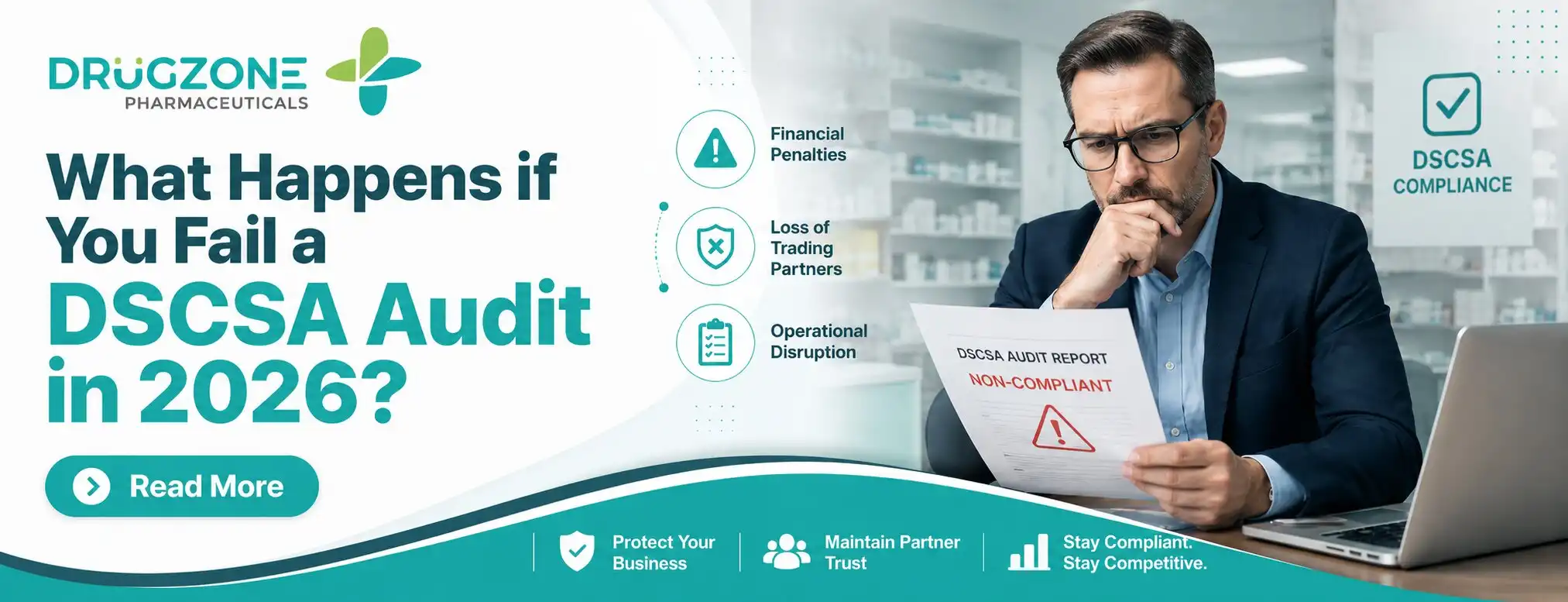
Understanding the Penalties: What Happens if You Fail a DSCSA Audit in 2026?
-
How to Handle "Saleable Returns" Under New FDA Verification Guidelines
-

How to Offset the 15% Pharma Import Tariffs by Sourcing from US-Based Suppliers
-
How to Qualify a Secondary Pharmaceutical Supplier in the USA in 5 Steps
Similar Posts
-
Understanding the Penalties: What Happens if You Fail a DSCSA Audit in 2026?
-

Top 10 Benefits of Bulk Purchasing from Pharmaceutical Distributors
-

How Temperature Excursions Are Managed During Drug Shipping
-

The Importance of Transparent Pricing in Human Health Drug Supply
-

Pharmaceutical Warehousing Standards That Protect Drug Quality and Safety