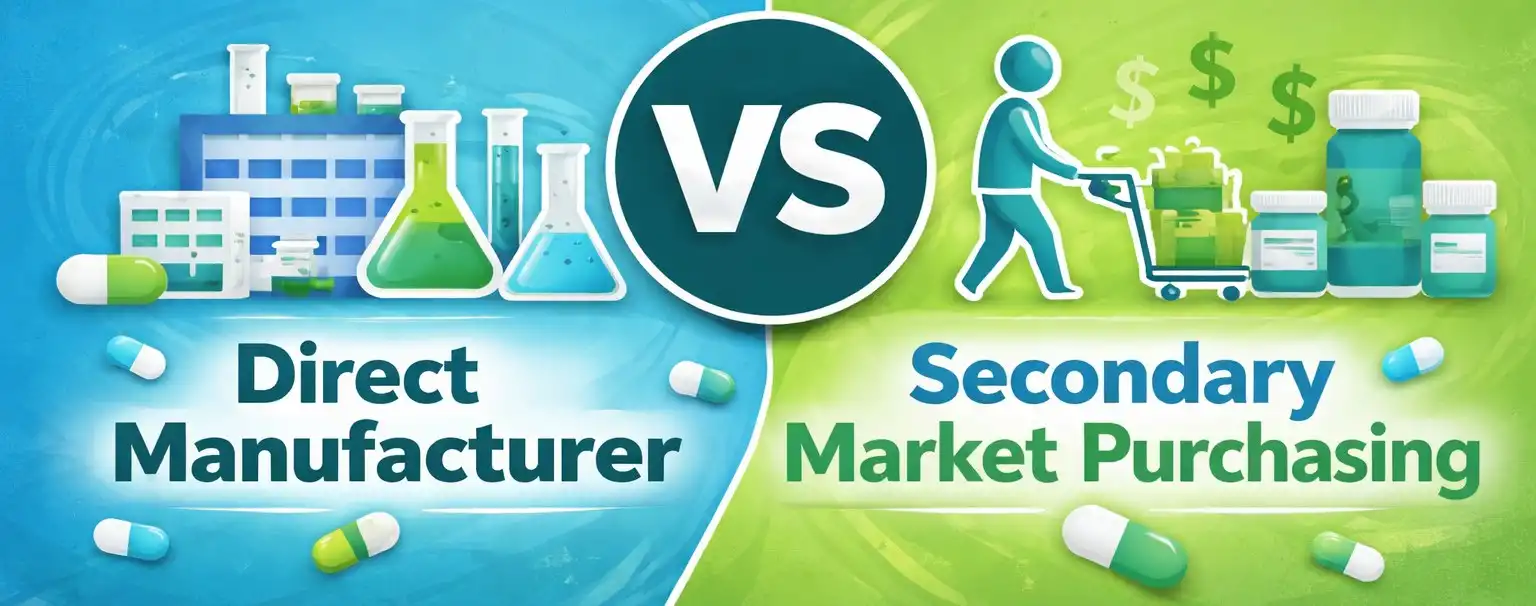
Posted On: February 26, 2026
Why Healthcare Buyers Demand More Transparency From Drug Suppliers
The relationship between healthcare buyers and their pharmaceutical suppliers has changed significantly in recent years. Pharmacies, hospitals, and healthcare facilities are no longer willing to accept vague pricing structures or unclear supply chain practices. They're demanding complete transparency from drug distribution companies, and for good reason.
This shift isn't just about business preferences—it's about survival, compliance, and the ability to serve patients effectively. Understanding why transparency has become non-negotiable helps explain the future direction of pharmaceutical distribution.
Rising Healthcare Costs Drive Transparency Demands
Healthcare costs continue to climb across the United States, putting pressure on every part of the system. Hospitals and pharmacies operate on tight margins, and medication costs represent a substantial portion of their expenses. When purchasing wholesale pharmaceuticals in the USA, buyers need to know:
- Exact unit costs and bulk pricing tiers
- Available manufacturer rebates and how they're applied
- Supply chain markups at each distribution level
- Total cost of ownership, including shipping and handling
Without this information, healthcare buyers cannot accurately budget, forecast expenses, or identify cost-saving opportunities. The days of accepting whatever price a supplier quotes are over.
Regulatory Requirements Push for Accountability
Federal and state regulations now require unprecedented levels of documentation and traceability in pharmaceutical supply chains. The Drug Supply Chain Security Act (DSCSA) mandates that every party in the distribution chain must track and verify pharmaceutical products from manufacturer to dispenser.
Healthcare buyers working with drug distribution companies need partners who can:
- Provide complete product pedigree documentation
- Track lot numbers and expiration dates accurately
- Verify product authenticity at every stage
- Share compliance records when requested
Transparency isn't optional when regulations demand it. Buyers who choose suppliers without robust tracking systems risk compliance violations, recalls, and potential legal issues.
Patient Safety Depends on Supply Chain Visibility
Healthcare providers have a fundamental responsibility to ensure medication safety. This means knowing exactly where medications come from, how they've been stored, and whether they meet quality standards. Transparency in wholesale pharmaceuticals in the USA distribution directly impacts patient outcomes.
Key safety concerns include:
- Temperature control during shipping and storage
- Prevention of counterfeit medications entering the supply chain
- Proper handling of controlled substances
- Timely recall management when issues arise
When suppliers operate with full transparency, healthcare buyers can confidently assure patients that their medications are safe, authentic, and properly handled.
Financial Planning Requires Predictable Pricing
Healthcare facilities need stable, predictable costs to maintain operations. Sudden price increases or hidden fees can destroy carefully planned budgets and force difficult decisions about patient care. Transparent suppliers help buyers plan effectively by providing:
- Advance Notice of Price Changes: No surprises when invoices arrive. Healthcare buyers receive warnings about upcoming price adjustments with clear explanations.
- Contract Clarity: Written agreements that spell out pricing terms, discount structures, and any conditions that might affect costs.
- Invoice Transparency: Detailed breakdowns showing exactly what buyers pay for each line item, making it easy to identify and question discrepancies.
- Historical Pricing Data: Access to past pricing information helps buyers identify trends and make informed purchasing decisions.
Competition and Market Dynamics
The pharmaceutical distribution market has become more competitive, giving healthcare buyers leverage they didn't have before. Multiple drug distribution companies now compete for business, and transparency has become a key differentiator.
Buyers can now:
- Compare pricing across multiple suppliers easily
- Negotiate better terms based on market information
- Switch suppliers if transparency standards aren't met
- Demand service improvements without switching vendors
This competitive pressure forces suppliers to either embrace transparency or lose business to companies that do.
Technology Enables Greater Transparency
Modern technology makes transparency easier to achieve and maintain. Healthcare buyers expect suppliers to leverage these tools:
- Online portals showing real-time inventory and pricing
- Automated ordering systems with clear cost displays
- Mobile apps for tracking shipments and deliveries
- Data analytics showing spending patterns and saving opportunities
When suppliers invest in these technologies, they demonstrate commitment to transparency and make it easier for buyers to work with them efficiently.
The Trust Factor in Healthcare Relationships
Beyond regulatory requirements and financial concerns, trust matters enormously in healthcare. Buyers want partners they can rely on during shortages, emergencies, and routine operations. Transparency builds this trust.
Healthcare buyers ask themselves:
- Does this supplier tell us the truth even when it's uncomfortable?
- Can we count on them to alert us about potential supply issues?
- Will they help us find solutions when problems arise?
- Do they treat us as partners or just as revenue sources?
Transparent suppliers answer "yes" to all these questions, creating partnerships that last for years.
What Happens When Transparency Is Missing
Healthcare buyers who work with non-transparent suppliers face serious consequences:
- Budget overruns that affect other departments
- Compliance violations and potential fines
- Difficulty responding to audits and inspections
- Patient safety risks from unclear product sourcing
- Competitive disadvantages against better-informed rivals
These risks are too great to ignore, which is why transparency has become a deal-breaker for many healthcare buyers.
Drugzone's Commitment to Transparency
As healthcare buyers increasingly demand transparency from their pharmaceutical partners, companies like Drugzone are meeting this need head-on. Operating across all 50 states with full NABP accreditation and FDA registration, Drugzone demonstrates that drug distribution companies can be both transparent and successful.
Their approach includes clear pricing structures, detailed product tracking, and open communication with healthcare providers. With a customer access portal that provides real-time information and dedicated account managers who prioritize honest communication, Drugzone shows what modern pharmaceutical distribution should look like.
For healthcare buyers evaluating wholesale pharmaceutical suppliers in the USA suppliers, Drugzone represents the transparency standards that should be industry-wide. Their commitment to DSCSA compliance, verified sourcing, and straightforward business practices makes them a model for how distributors can build trust while delivering value.
Frequently Asked Questions
Q: What specific transparency information should I expect from my pharmaceutical supplier?
A: You should receive detailed pricing breakdowns including base costs, discounts, and fees; complete product sourcing information showing manufacturer and distribution chain; compliance documentation proving proper licensing and quality standards; and clear contract terms with no hidden clauses. Additionally, expect access to online tools showing real-time inventory, order history, and pricing trends. If your supplier can't provide these basics, it's time to look elsewhere.
Q: How can I evaluate whether a supplier is truly transparent or just claims to be?
A: Test their transparency by asking specific questions: Request a detailed invoice breakdown for your last order; ask for documentation showing product pedigree for a specific medication; inquire about their process for handling price increases; and request access to their customer portal or tracking systems. A truly transparent supplier will answer these questions readily and provide documentation. Hesitation or vague responses indicate problems.
Q: Will demanding transparency from suppliers increase my costs?
A: Generally, no. In fact, transparency often leads to cost savings because you can identify unnecessary charges, compare prices effectively, and negotiate better terms based on complete information. While transparent suppliers invest in systems and processes, these costs are usually offset by efficiency gains. The real question is whether you can afford the hidden costs and risks of working with non-transparent suppliers who may be overcharging or creating compliance vulnerabilities.
Article Author

Steve Thomas
Operations and Compliance
Working in Operations and Compliance at Drugzone Pharmaceuticals Inc. ,I manage Regulatory Strategy, Operations Management, Business Strategy, and many more. I also have experience in Project management, budgeting, and team leadership.
Tags
Latest Posts
-
Best 15 Pharmaceutical Wholesalers for Diabetic Care Product Sourcing
-
Top 10 Pharmaceutical Suppliers for Hospital and Health System Procurement
-

7 Things Oncology Clinics Should Check Before Choosing a Pharmaceutical Wholesale Distributor
-

9 Questions to Ask Pharmaceutical Suppliers in USA Before Opening an Account
-
Oncology drug procurement for hospitals: specialty distributor vs big wholesaler compared