Posted On: December 16, 2025
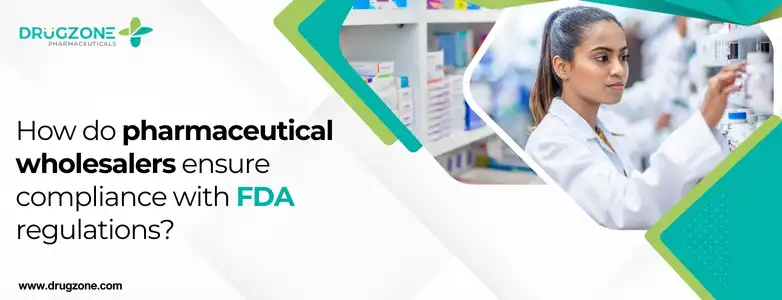
How do pharmaceutical wholesalers ensure compliance with FDA regulations?
The pharmaceutical wholesale industry operates under strict regulatory oversight to protect public health and maintain the integrity of the drug supply chain. Understanding how these businesses maintain compliance with FDA regulations is essential for anyone working in or with the pharmaceutical distribution sector.
Understanding FDA Requirements for Pharmaceutical Wholesalers
The FDA has established comprehensive guidelines that govern how pharmaceutical products are stored, handled, and distributed throughout the United States. These regulations exist to prevent counterfeit medications, ensure product quality, and maintain proper documentation throughout the supply chain.
A wholesale pharmaceutical company must adhere to the Drug Supply Chain Security Act (DSCSA), which requires detailed tracking of prescription drugs as they move through the distribution system. This legislation mandates that wholesalers verify the legitimacy of their trading partners, maintain proper licensing, and implement systems for tracking and tracing pharmaceutical products.
Key Compliance Measures Implemented by Wholesalers
Licensing and Registration
Every pharmaceutical wholesaler must obtain proper state and federal licenses before operating. The FDA requires wholesalers to register with the agency and renew their registration annually. State boards of pharmacy also issue separate licenses that must be maintained in good standing.
Storage and Handling Protocols
Temperature control stands as one of the most critical compliance requirements. Wholesalers must maintain climate-controlled facilities that keep medications within specified temperature ranges. This includes:
- Installing validated temperature monitoring systems
- Conducting regular calibration of monitoring equipment
- Maintaining backup power systems to prevent temperature excursions
- Implementing quarantine procedures for products that experience temperature deviations
- Training staff on proper handling techniques for different drug classifications
Documentation and Record-Keeping
Comprehensive record-keeping forms the backbone of regulatory compliance. Wholesalers must maintain detailed documentation of every transaction, including purchase orders, invoices, and shipping records. These records must be retained for specific periods as mandated by federal and state regulations.
The DSCSA requires wholesalers to capture and maintain transaction information, transaction history, and transaction statements for each product they handle. This traceability helps identify and remove suspect or illegitimate products from the supply chain.
Quality Assurance Programs
Robust quality assurance programs help wholesalers maintain compliance standards. These programs typically include regular internal audits, standard operating procedures for all critical processes, and continuous staff training on regulatory requirements and best practices.
What Are Common Challenges Faced by Pharmaceutical Wholesalers in Logistics?
The logistics of pharmaceutical distribution present unique challenges that directly impact regulatory compliance. Understanding these obstacles helps wholesalers develop effective strategies to maintain standards while operating efficiently.
Temperature-Sensitive Product Management
Many pharmaceutical products require strict temperature control throughout transportation and storage. A pharmacy wholesaler in the USA must invest in refrigerated trucks, insulated packaging, and real-time temperature monitoring systems. Any deviation from required temperature ranges can compromise product integrity and result in costly losses.
Supply Chain Complexity
The pharmaceutical supply chain involves multiple stakeholders, including manufacturers, distributors, pharmacies, and healthcare facilities. Coordinating between these parties while maintaining proper documentation and traceability creates significant logistical challenges. Wholesalers must ensure that every handoff point maintains the chain of custody and proper handling procedures.
Counterfeit Drug Prevention
Protecting against counterfeit medications requires constant vigilance. Wholesalers must verify the authenticity of products they receive and ensure they only purchase from legitimate sources. This involves checking pedigrees, verifying seller licenses, and implementing serialization tracking systems.
Technology Integration
Modern compliance requires sophisticated technology systems for tracking, documentation, and reporting. Implementing and maintaining these systems demands significant investment and ongoing updates to keep pace with regulatory changes and industry standards.
Regulatory Changes
The regulatory landscape continues to evolve, requiring wholesalers to stay informed about new requirements and adjust their operations accordingly. This includes updating procedures, retraining staff, and potentially investing in new equipment or technology.
Regular Audits and Inspections
Pharmaceutical wholesalers undergo regular inspections by state and federal agencies. These audits examine facility conditions, storage practices, record-keeping systems, and operational procedures. Successful wholesalers prepare for these inspections by conducting regular internal audits and maintaining compliance readiness at all times.
Staff Training and Development
Compliance depends heavily on knowledgeable, well-trained personnel. Wholesalers invest in comprehensive training programs that cover regulatory requirements, proper handling procedures, security protocols, and emergency response procedures. Ongoing education ensures staff members stay current with regulatory changes and industry best practices.
The Bottom Line
FDA compliance in pharmaceutical wholesale operations requires a multifaceted approach combining proper licensing, robust quality systems, meticulous documentation, and ongoing staff training. While the logistics challenges can be significant, successful wholesalers view compliance not as a burden but as a fundamental responsibility to protect public health and maintain the integrity of the pharmaceutical supply chain.
Frequently Asked Questions
Q: How often are pharmaceutical wholesalers inspected by the FDA?
A: Inspection frequency varies based on risk factors, but wholesalers should expect inspections every few years. High-risk facilities or those with compliance issues may be inspected more frequently.
Q: What happens if a wholesaler fails to maintain proper temperature controls?
A: Temperature excursions can result in product quarantine, disposal of affected inventory, regulatory warnings, and potential fines. Repeated violations may lead to license suspension or revocation.
Q: Are pharmaceutical wholesalers required to report suspicious orders?
A: Yes, wholesalers must monitor and report suspicious orders of controlled substances to the DEA. This helps prevent drug diversion and abuse.
Q: How long must wholesalers retain transaction records?
A: Federal regulations typically require retention of transaction records for at least six years, though some states may have longer requirements.
Q: What is the difference between a wholesale distributor and a pharmacy wholesaler?
A: While the terms are often used interchangeably, pharmacy wholesalers specifically focus on distributing to pharmacies and healthcare facilities, while wholesale distributors may have a broader customer base, including hospitals and clinics.
Article Author

Binu .B RPH
President
With more than 20 years of experience in the pharmaceutical wholesale sector, I have Founded and managed several companies, including a pharmaceutical wholesale company, a compounding/retail pharmacy,and many more. As the president of Drugzone Pharmaceuticals Inc., I develop new business and maintain existing business relationships.
Tags
Latest Posts
-
Direct Manufacturer vs Secondary Market Purchasing-Drugzone's Guide
-
How Temperature Excursions Are Managed During Drug Shipping
-
Why Generic Drugs Are Dominating the U.S. Pharmaceutical Market
-
Why Healthcare Buyers Demand More Transparency From Drug Suppliers
-
The Importance of Transparent Pricing in Human Health Drug Supply
Similar Posts
-
What the FDA's Latest Guidance Means for Pharmaceutical Wholesalers
-
US Pharmaceutical Market Updates: What Pharmacies Should Know
-

New FDA and DSCSA Compliance Requirements U.S. Drug Distributors Must Follow in 2026
-

What’s Ahead for U.S. Drug Wholesalers: Five Key Trends for 2026
-
Redefining Pharmaceutical Distribution: Inside Drugzone’s Mission for Safer Healthcare